5 Takeaways from WEFTEC 2026 for
Water Technology Marketers
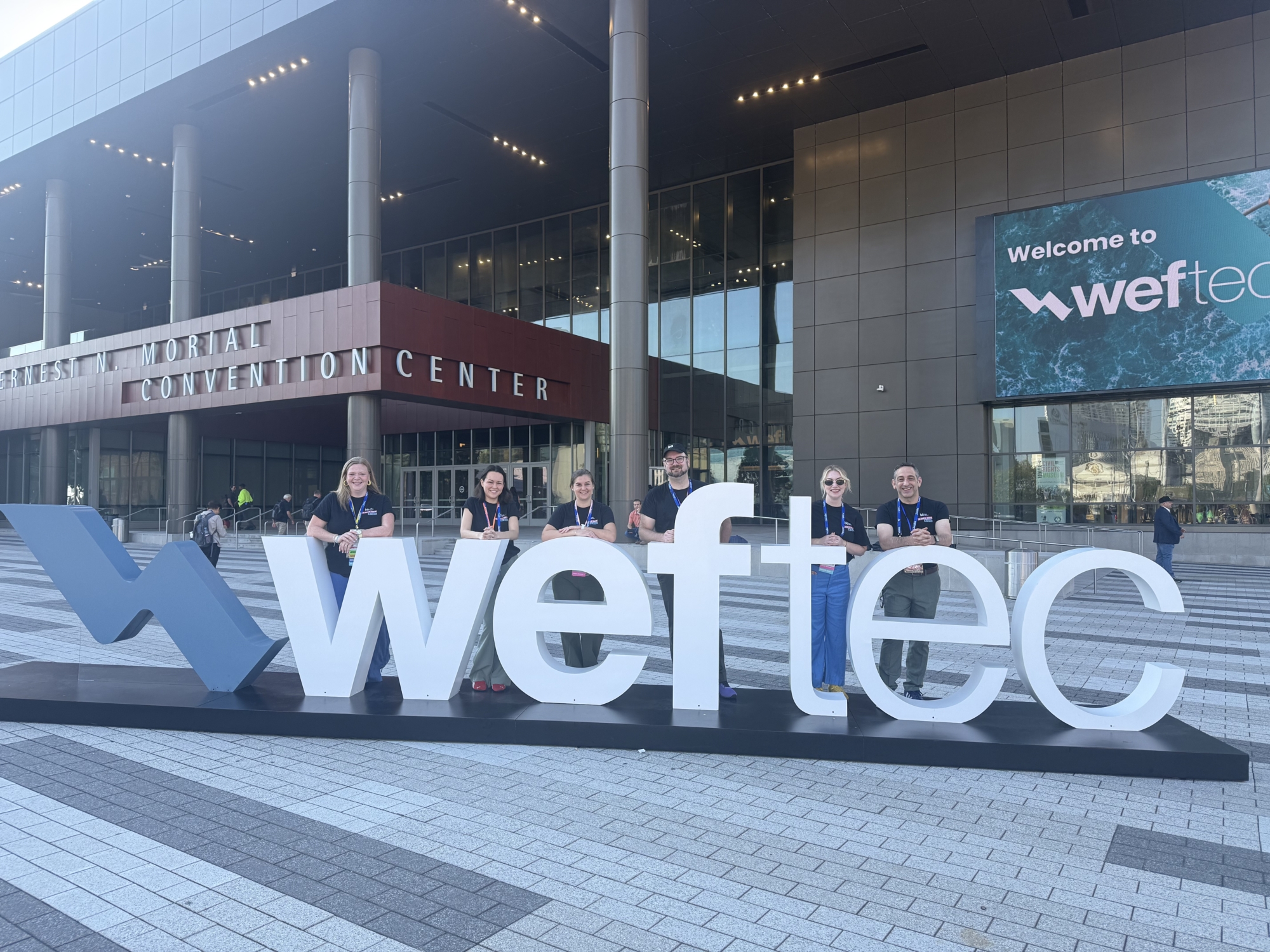
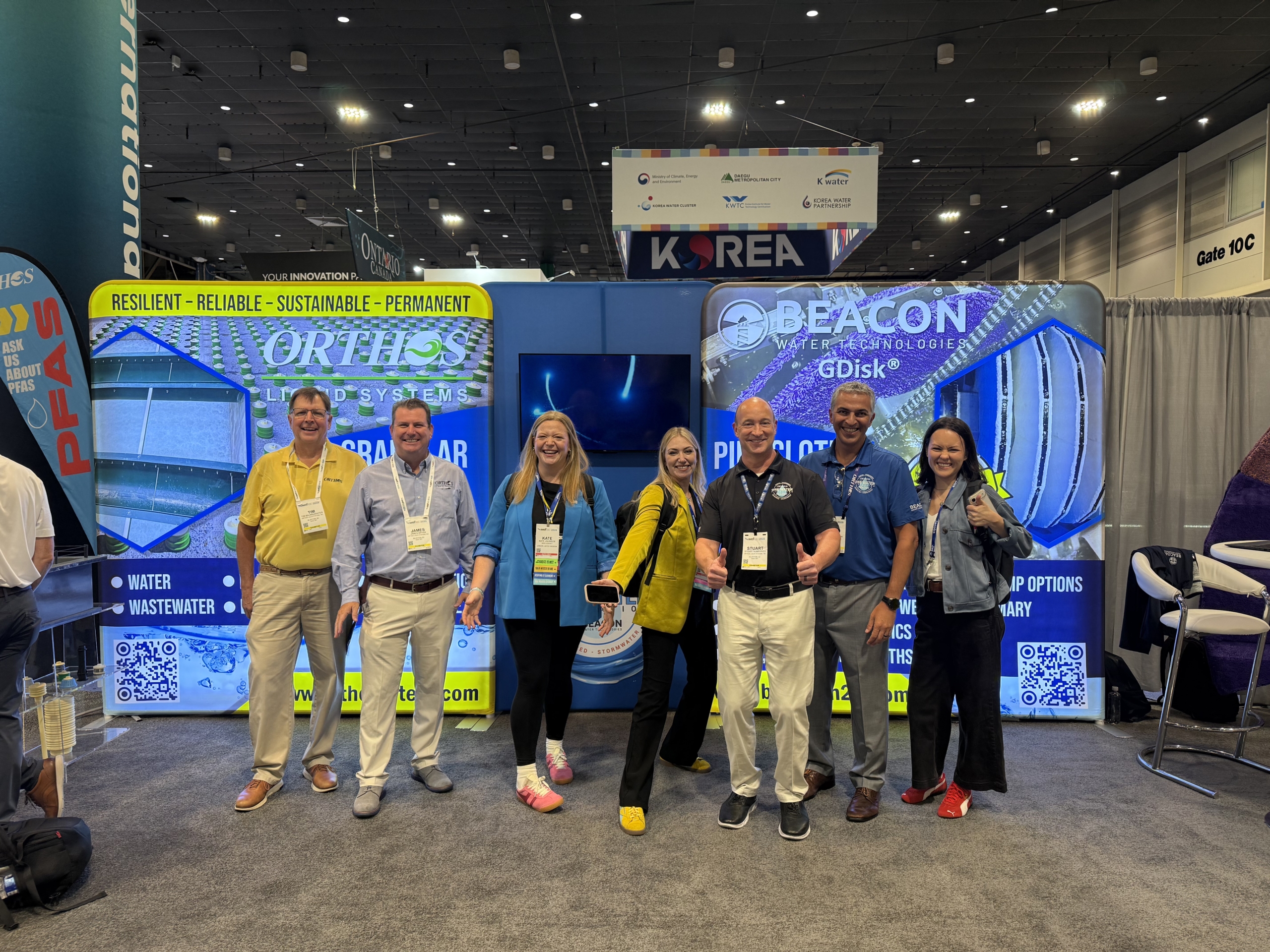
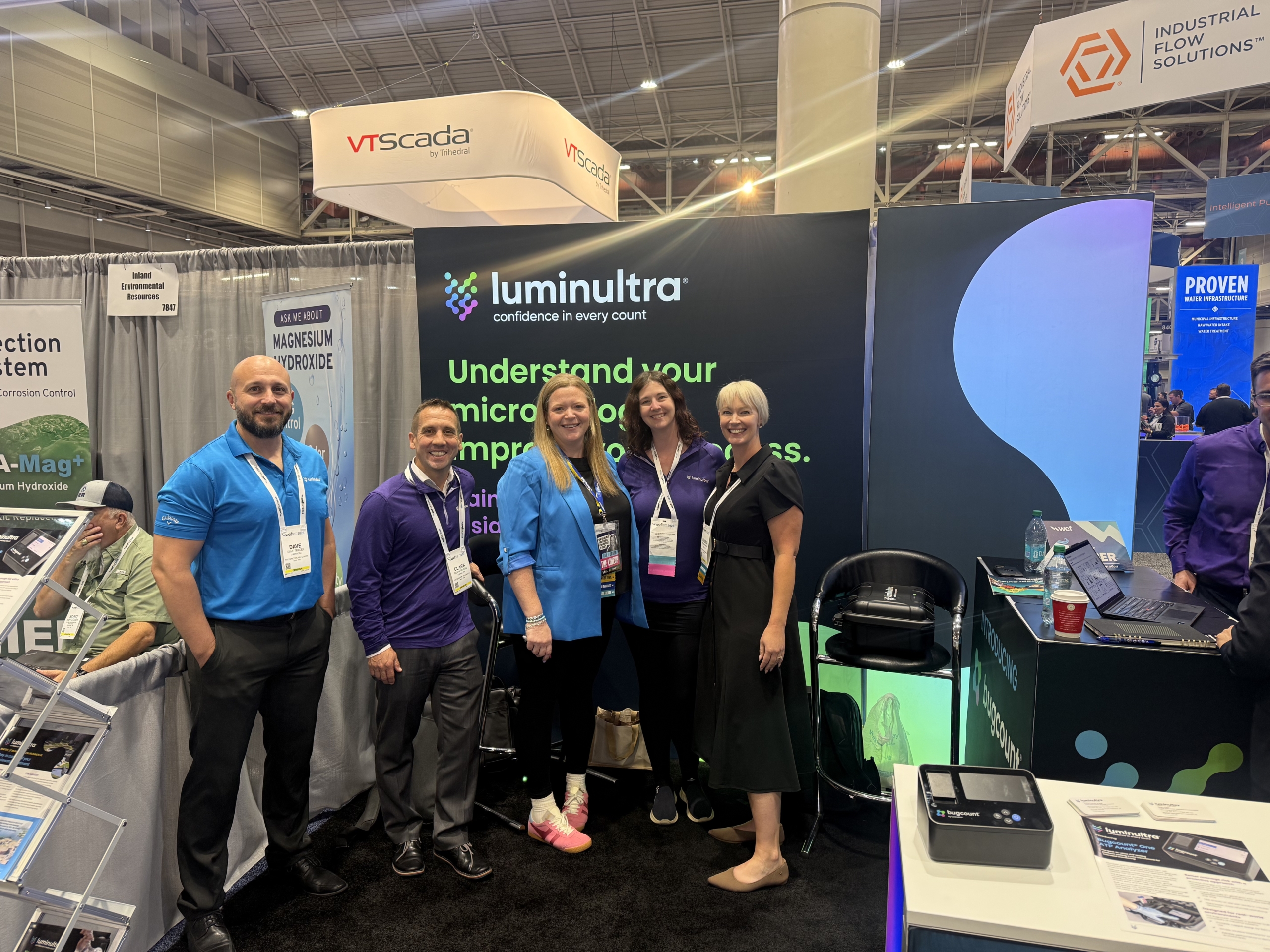
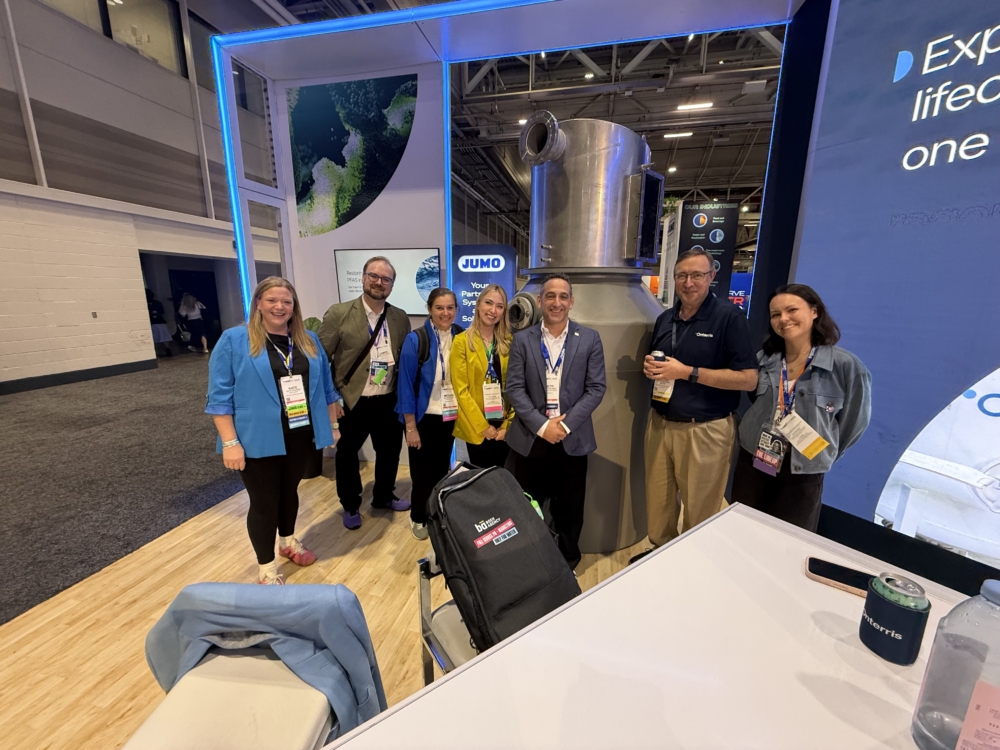
WEFTEC 2026 in New Orleans is behind us, but the conversations are still with us. Here are five takeaways that stuck with our team, and what they mean for those of us marketing water technology.
- The shift from single products to multi-product platforms. Fewer people were talking about a single standout technology. More were asking how different solutions complement each other across a whole distribution or treatment strategy.
For marketers: show where your product fits in the system, not just its features. - “Smart water” continues to change how operators spend their time. Better data analysis means routine decisions can be made faster, results analyzed, and actions refined with more confidence or even autonomously. This allows experienced staff to focus on higher-value work, and helps new hires get up to speed more quickly.
For marketers: the audience for many of these messages is shifting from the people running the process to the people setting strategy. Your segmentation, targeting and positioning need to keep up. - AI and data centers were the hot topic in the trade press. But we heard more questions than answers about how companies are actually using AI and what quantifiable impact it will have.
For marketers: if your company has real, specific experience here, editors want to hear it. Practical examples will stand out more than broad claims. - Booths are telling better stories. We saw fewer spec-heavy displays and more clear messaging about why the technology matters. We love this!
For marketers: your messaging should be settled well before the booth design starts. Exhibit planning goes better when messaging leads and the structure follows. - Companies need partners with real water industry experience. As a marketer, I was happy to discover that, compared to past years, more companies, both large and small, were open to listening to my marketing “pitch.” But I also heard a lot of frustration about working with partners that don’t know the water industry. When a company has to teach an agency the basics of water, it costs time and money, and often results in generic deliverables.
For marketers: I’m biased, but I believe that you get the best work from marketing partners who can marry marketing expertise with real-world water industry experience. Your audience can tell right away when the message doesn’t reflect the technology, industry or the people who use it.
Taken together, these themes point in the same direction: buyers want to see the whole picture. They want to know how a solution fits their system, what it does for their people, and who stands behind it. The marketers who settle their messaging early, show real-world results, and work with partners who understand water will be the ones moving their brands forward. If you’re mapping out what this means for your 2027 plans, we’d be glad to talk it through.
Seth Werlinsky, Director of Strategy and Growth

YOUR FULL-SERVICE
water ally
Most agencies need time to catch up. We’re already in the current with you.
With full-service marketing and deep water expertise under one roof, Bā helps brands break through bottlenecks and find their flow.
wellspring
drink it in
The freshest source for industry insights, marketing tips and creative inspiration from the Bā team.

What is newsjacking + how to leverage it effectively
“Newsjacking” may sound flashy, but at its core, it’s a smart and timely way to join a bigger conversation—and make your brand more visible in the process. Done right, it positions your company as insightful and relevant. Done wrong, it feels tone-deaf or self-serving.
Here’s what water brands need to know about newsjacking—and how to do it well.

How AI decides which water companies to trust
Generative AI is changing how people gather information — and for niche sectors like municipal and industrial water, the stakes are especially high. When operators, engineers and procurement teams turn to AI tools for clarity, the quality of your content directly shapes what they see.

Why engineers deserve better marketing
Marketing plays an essential role to shine a light on engineering expertise and clearly communicate the value of their creations.

Shaping the narrative: The power of PR in water innovation
Whether you’re introducing new technology, responding to regulatory shifts or entering a new market, effective public relations doesn’t just share your message. It shapes it.
Momentum in motion: Bā’s top PR wins of 2025
In 2025, we partnered with ambitious water brands during moments of growth, change and opportunity. Here are some of the standout PR moments that defined the year.

Messaging matters: What are messaging strategy services and how do they make an impact?
Transform your water industry brand with messaging strategy. Communicate clearly, build trust and stand out in the market with tailored messaging that sparks action.
Orchestrating a seamless product launch for water industry innovations
Launching a new product in the water sector takes more than innovation—it takes alignment, momentum and trust. Whether you’re rolling out a treatment solution, digital platform, SaaS product or launching a water-focused service or initiative, the success of your launch hinges on how well you connect your offering to the people who need it most.

What’s the biggest mistake water brands make when engaging a creative team?
Water brands: Your creative brief is more important than your budget. We reveal the most common mistakes and how a strong brief can lead to more effective, impactful creative.