Signals from the ACE26 expo floor
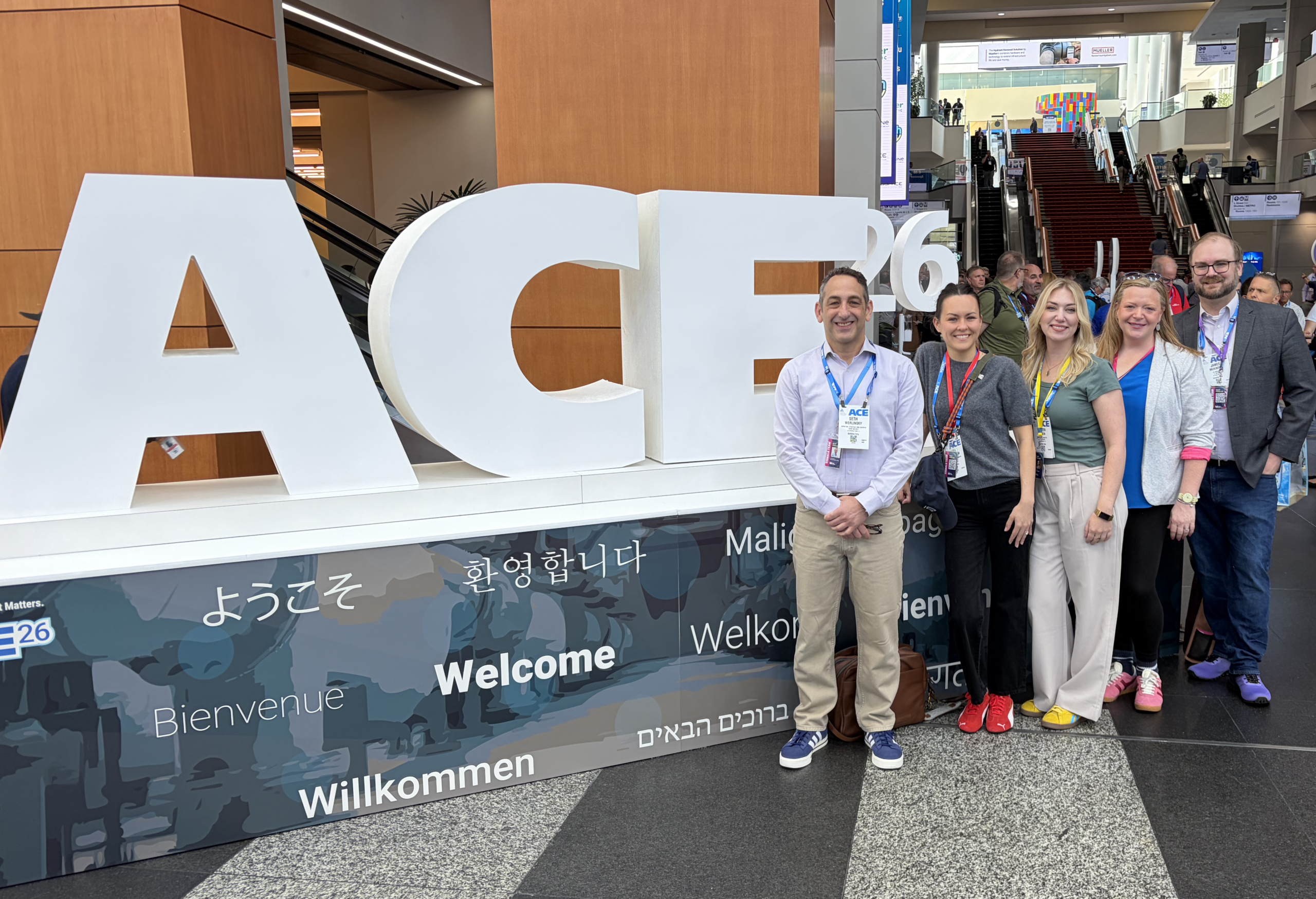
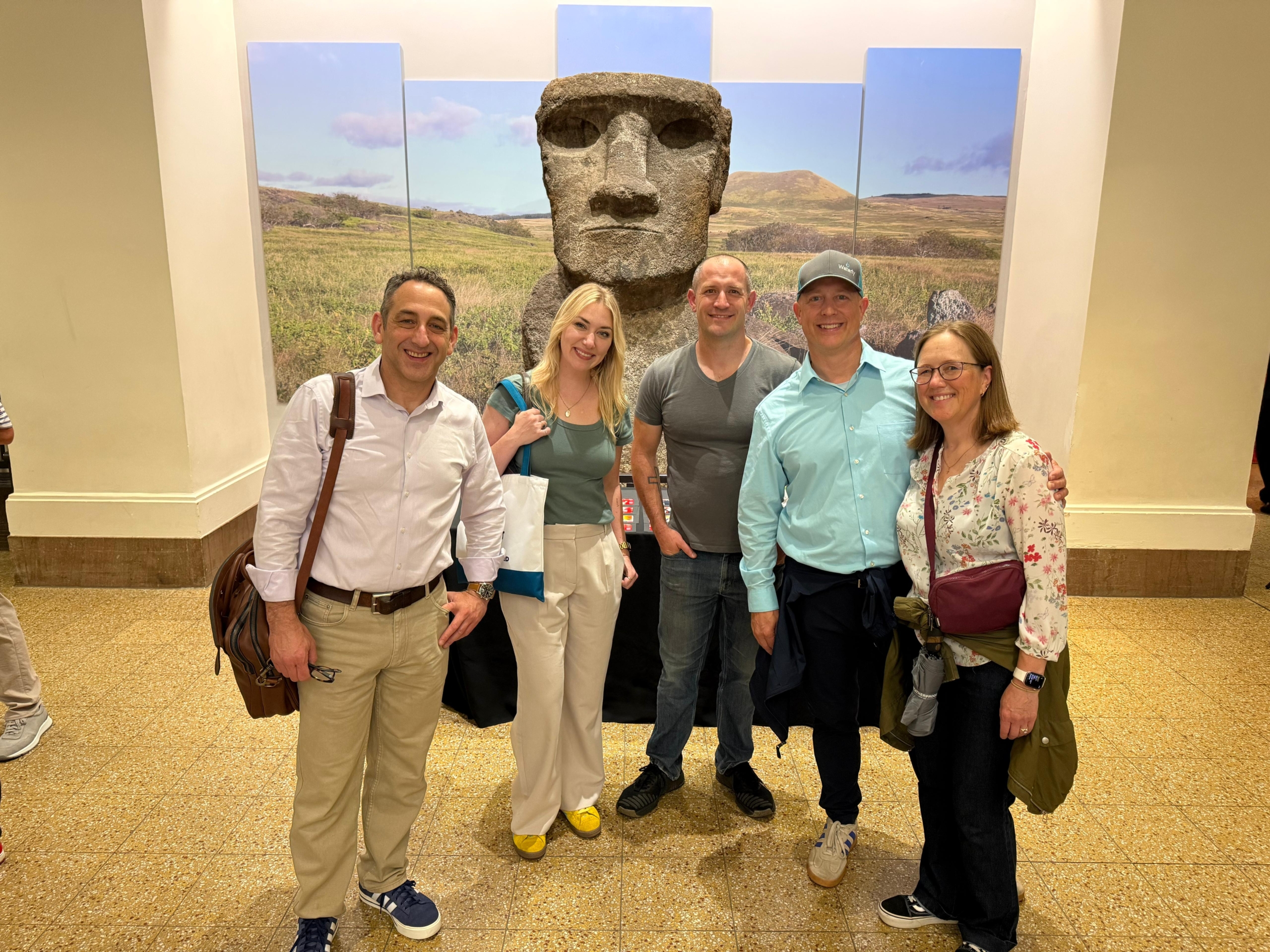
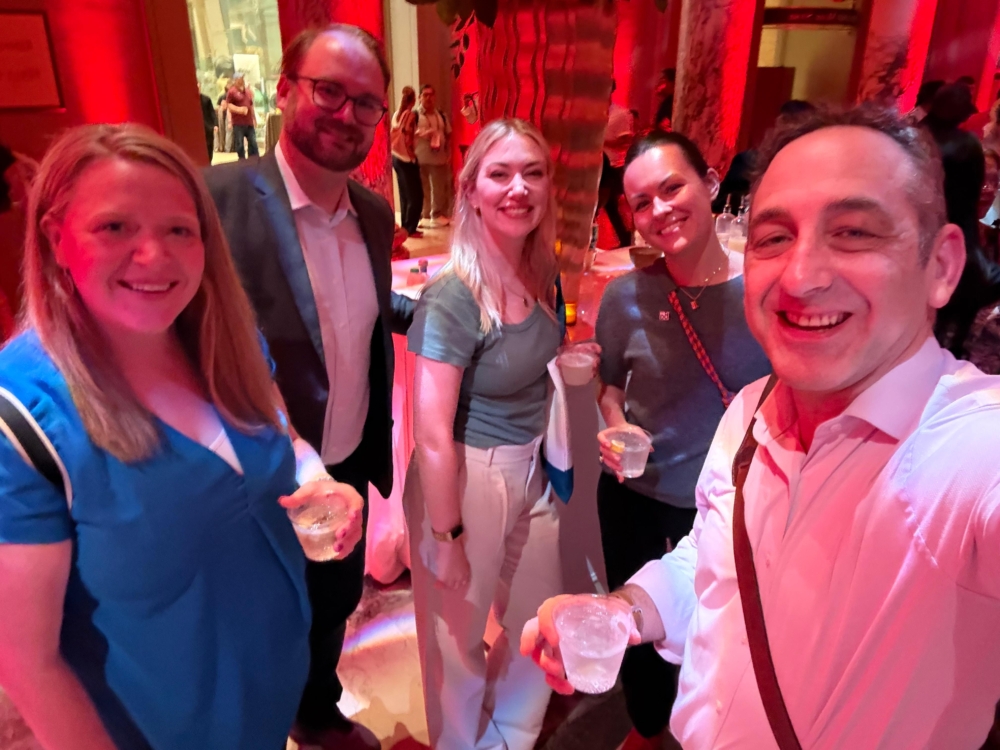
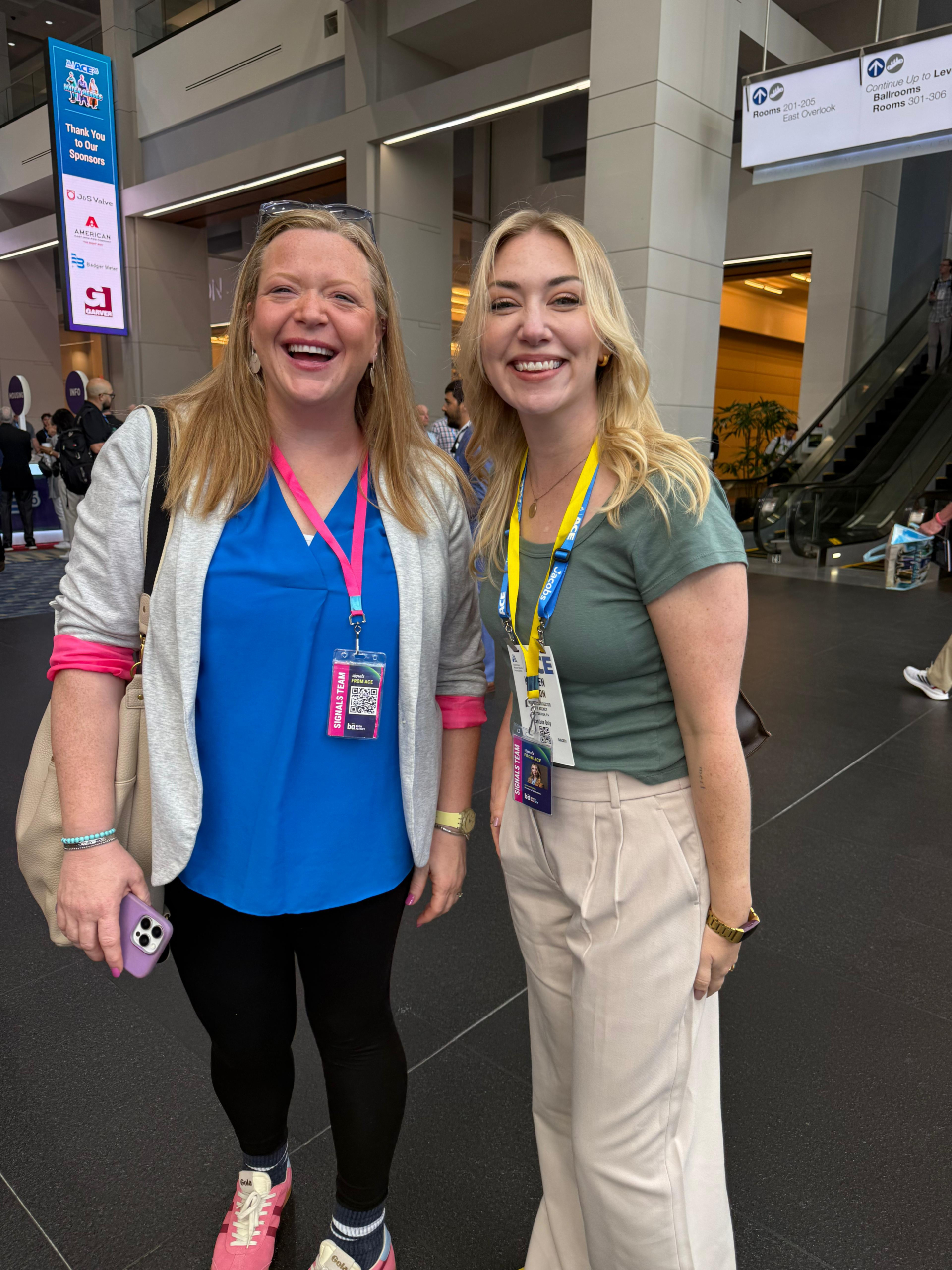
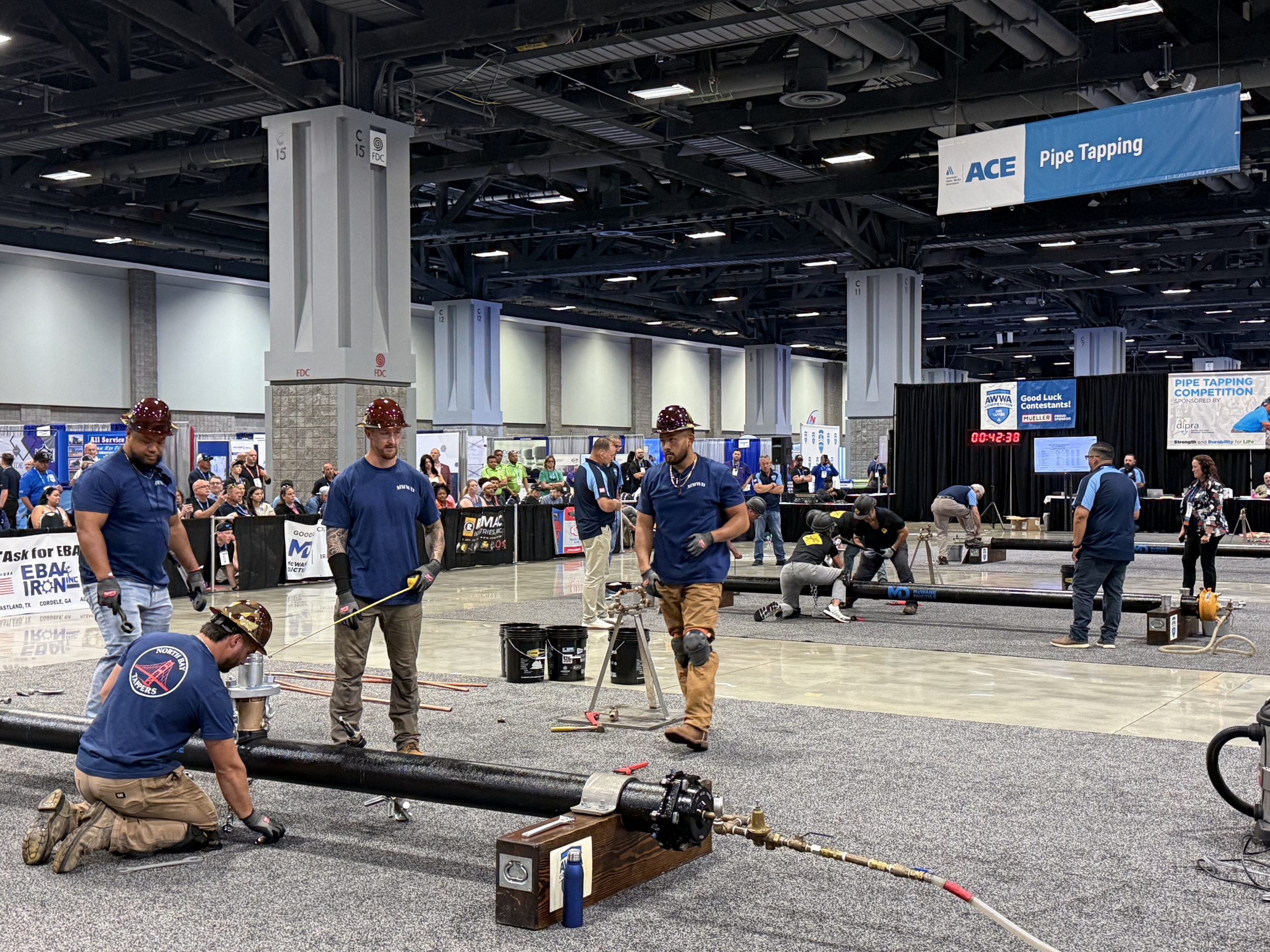
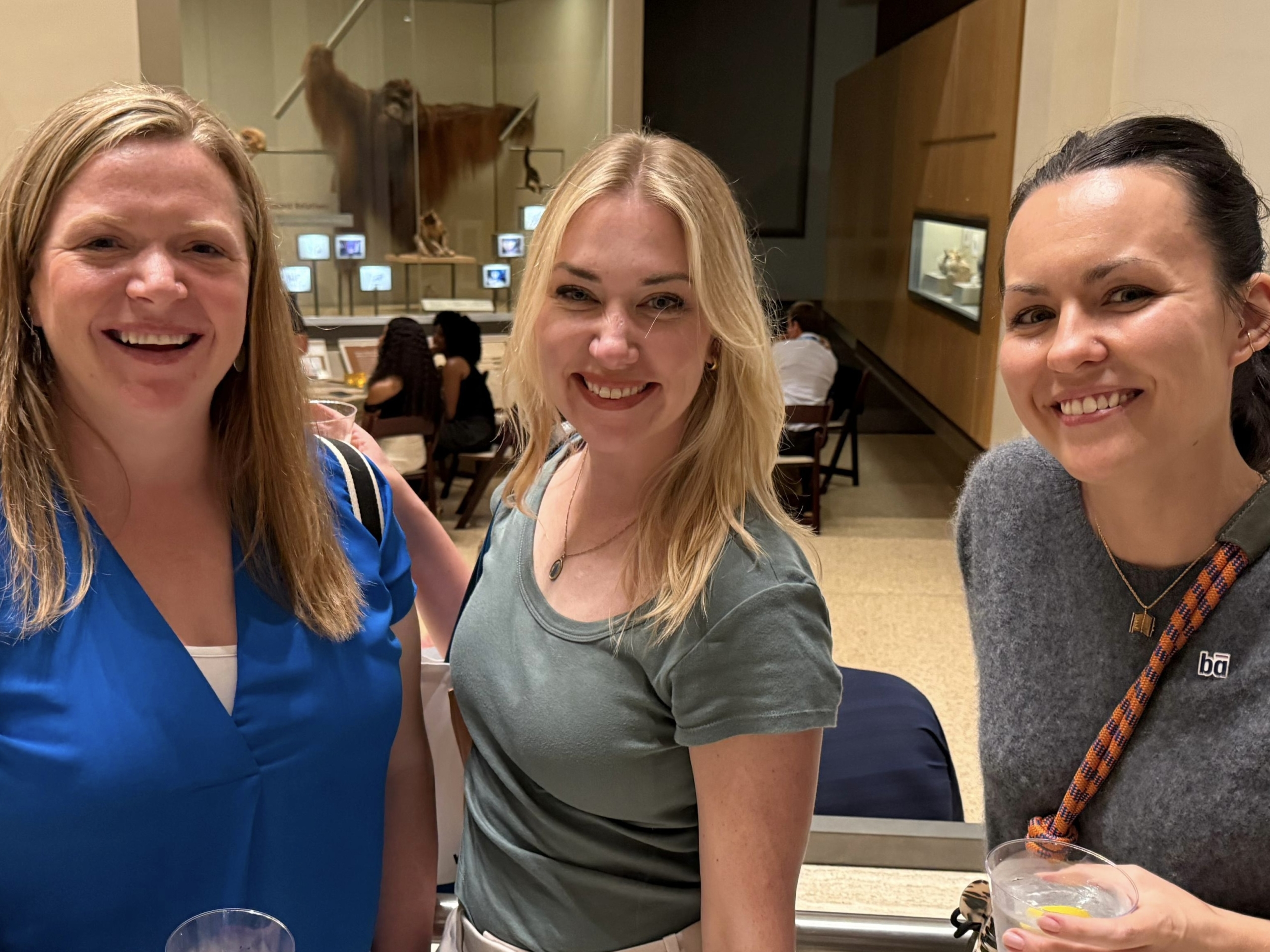
The Boeh Agency team was on the floor at ACE26 in Washington, D.C. earlier this month, one of the largest industry events for drinking water professionals.
While our team was there meeting with our clients and making new connections, we were also listening for what’s really driving the sector today.
It was impossible to walk the expo floor without recognizing the industry’s known drivers: infrastructure that’s aging, finite resources to renew it and a workforce in transition. But that’s not all we heard.
Below are six takeaways from our team having conversations with utility and tech leaders across the industry.
Modernizing Emergency Response Plans to digital spaces
It’s not uncommon to hear that many utilities struggle with the transition from manual and paper operational processes to streamlined digital solutions. But we heard something more specific on the expo floor: a need for a digital solution that allows utilities to maintain and develop their emergency response plans (ERP) digitally. ERPs are complex, highly detailed documents that are critical to water system operations. Historically, these have lived as a series of Word docs and file folders. Utility leaders are looking for solutions that provide immediate access to current, organized ERP information, not a hunt through scattered files.
This signals a real market opportunity for solutions providers who can deliver an integrated digital solution. Is someone solving for this? The answer from the floor suggests there’s still whitespace in this market.
Tackling water workforce challenges
As many of the water sector’s most experienced leaders retire, a knowledge gap looms large, leaving operators and vendors increasingly concerned with training and retaining talent. Trade editors have heard that operators are not only concerned with knowledge loss, but also ensuring existing and new talent know how to use emerging technologies. Machine learning, digital monitoring systems and predictive maintenance tools are becoming standard, all while AI is dominating this conversation as a way to enable the talent they do have amid talent shortages.
This is an evolving challenge that will only intensify as more experienced talent retires. Expect to see more investment in training programs, documentation and tools designed to help new talent master the basics and the technologies reshaping the industry.
An AI paradox: Fatigue vs. Differentiation
The buzz around AI is everywhere, and ACE26 was no different. But we also observed something else: caution. While some vendors were leading with AI as their core differentiator, others were deliberately sidestepping AI-specific language. We heard concerns about fatigue, market confusion or being lumped in with overpromising competitors.
On the utility side, AI fatigue is real. Operators want AI solutions that solve specific problems and actually integrate with their current systems. There were also concerns about how AI agents specifically could replace union and non-union jobs, and how adoption messaging lands with their workforce.
There is broad uncertainty with AI in the water space: about its value and its impact on the industry. This signals a significant market gap that providers need to solve: how to position AI solutions with clarity and authenticity while showcasing proven value without hype.
Changes in swag culture: Re-imagining booth experiences
Swag for swag sake is out. Experiential branding is in.
Compared to other conferences, we noticed far less emphasis on swag. Attendees either pared back their swag rolodex for more intentional branded items or shifted toward meaningful giveaways that drove engagement.
In a sector driven by technical credibility and long sales cycles, water industry buyers respond to substance. This signals that brand experiences – giveaways, activities and authentic fun – can create a reason for attendees and prospects to engage, learn, linger and even return to your company’s booth. Your booth should invite conversation, not just hand out merchandise.
A water utility-environmental nonprofit partnership opportunity
Water utilities are missing an immense partnership opportunity that is right in front of them: environmental nonprofits. While the two have differing business models, their core missions are the same, yet they often operate in separate spheres. What’s more is water nonprofits are often looking for similar tech solutions being targeted and sold to water utilities, like real-time sensor monitoring.
As budgets and resources for both sectors remain tight, a natural partnership opportunity is present for local and regional utilities and nonprofits. By partnering with local and regional water-based nonprofits and environmental groups, utilities can actually create greener, cheaper and long-term headwater solutions that build community trust. For solutions providers, facilitating these partnerships and offering solutions that work across the utility-nonprofit divide could open new markets.
More intimate conversations were driving deeper connections
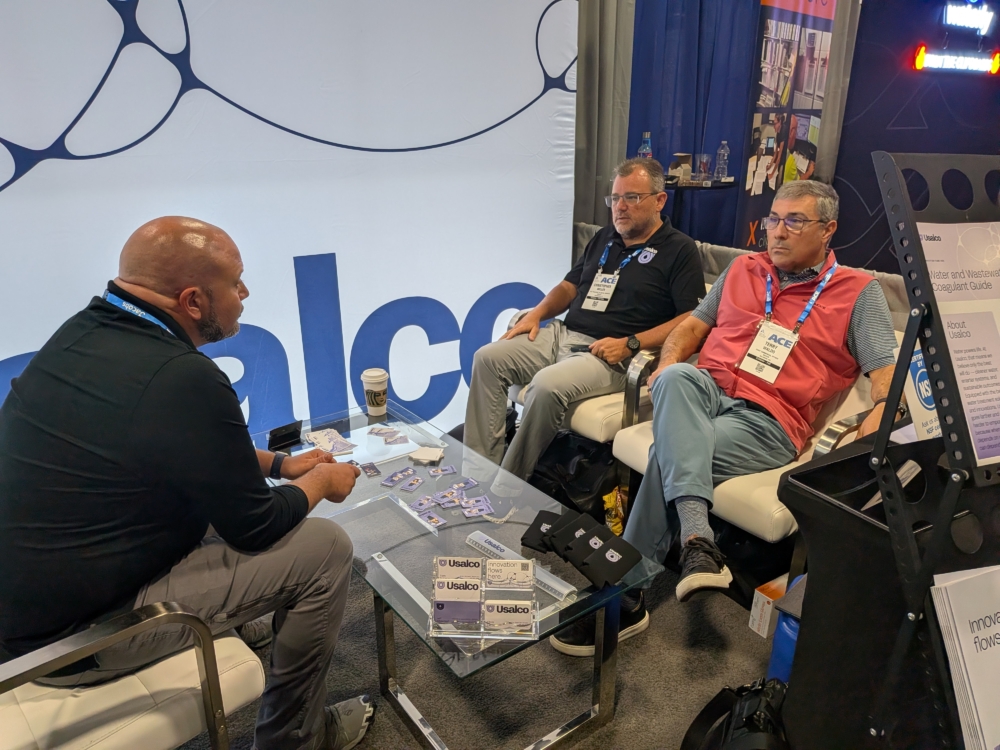
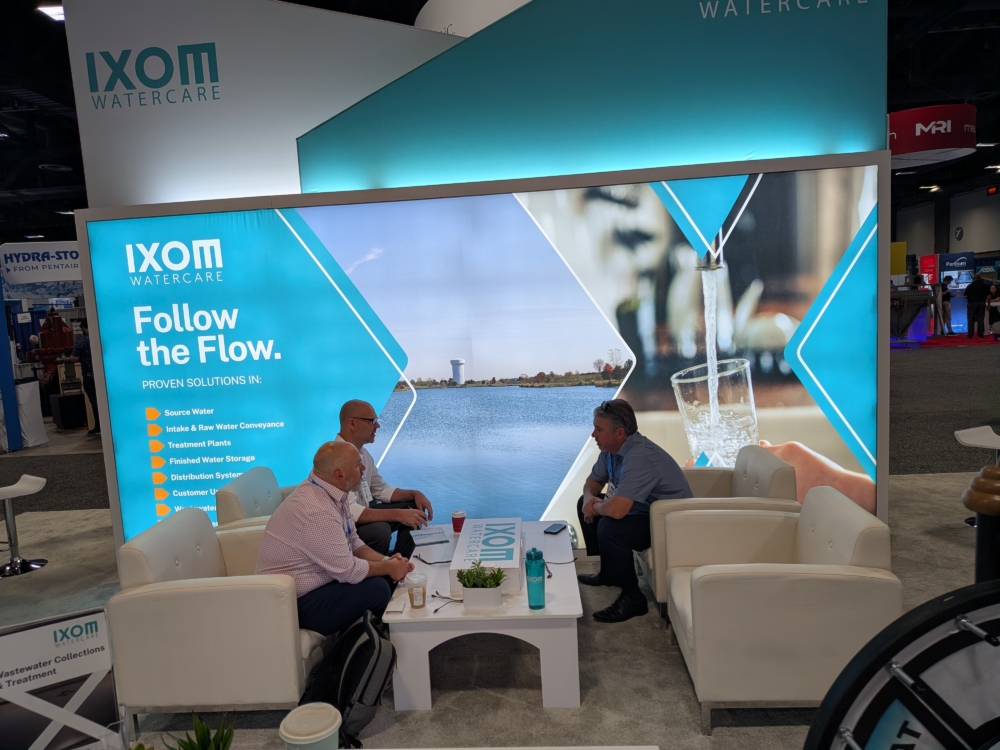
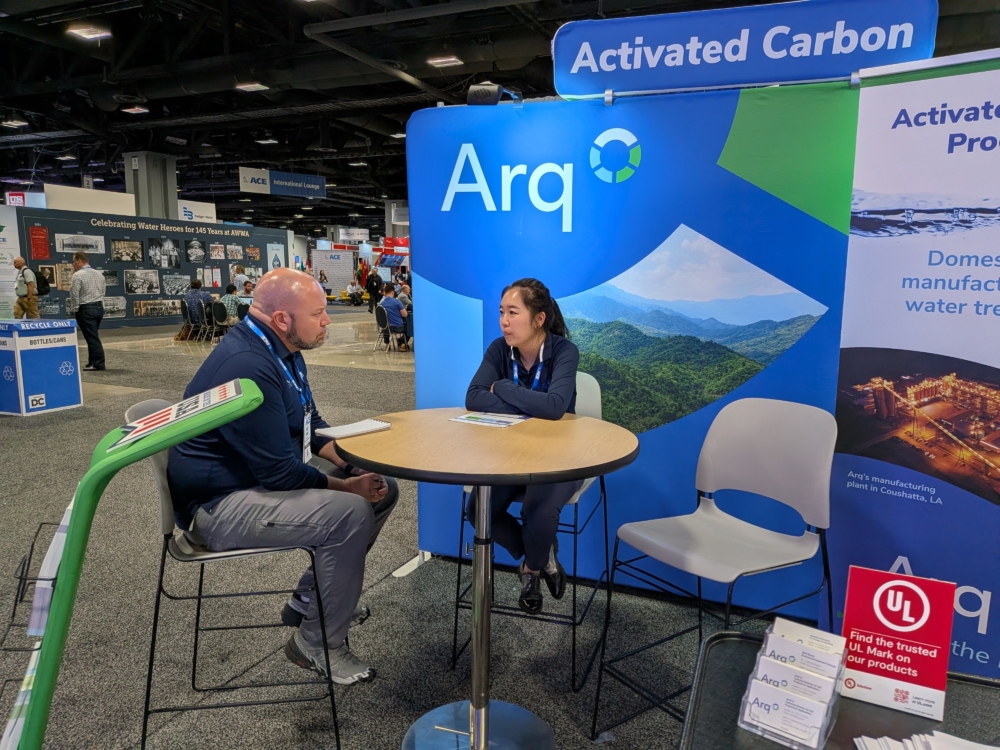
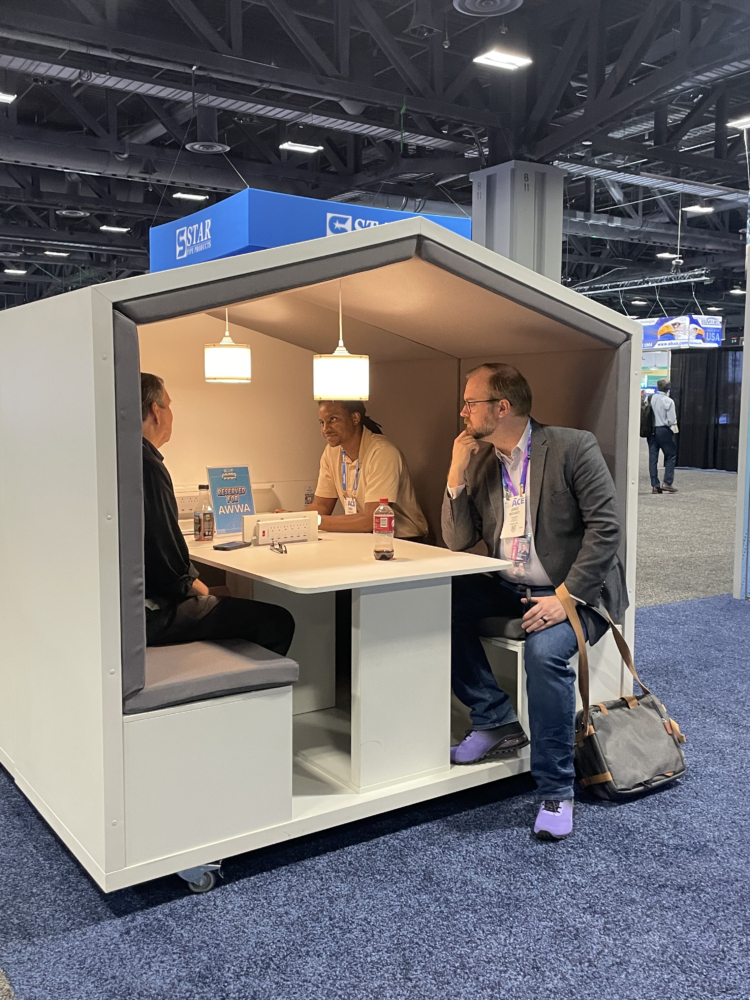
One of the most notable shifts we both heard and observed was a move toward deeper, more intentional conversations on the expo floor. Rather than the usual quick pitches on a packed floor, attendees noted that foot traffic ebbed and flowed, allowing for more engaging conversations. This signals a maturation in how water industry professionals approach conferences—this could mean your booth presence and sales messaging need to demonstrate real substance and authenticity.

YOUR FULL-SERVICE
water ally
Most agencies need time to catch up. We’re already in the current with you.
With full-service marketing and deep water expertise under one roof, Bā helps brands break through bottlenecks and find their flow.
wellspring
drink it in
The freshest source for industry insights, marketing tips and creative inspiration from the Bā team.

What is newsjacking + how to leverage it effectively
“Newsjacking” may sound flashy, but at its core, it’s a smart and timely way to join a bigger conversation—and make your brand more visible in the process. Done right, it positions your company as insightful and relevant. Done wrong, it feels tone-deaf or self-serving.
Here’s what water brands need to know about newsjacking—and how to do it well.

How AI decides which water companies to trust
Generative AI is changing how people gather information — and for niche sectors like municipal and industrial water, the stakes are especially high. When operators, engineers and procurement teams turn to AI tools for clarity, the quality of your content directly shapes what they see.

Why engineers deserve better marketing
Marketing plays an essential role to shine a light on engineering expertise and clearly communicate the value of their creations.

Shaping the narrative: The power of PR in water innovation
Whether you’re introducing new technology, responding to regulatory shifts or entering a new market, effective public relations doesn’t just share your message. It shapes it.
Momentum in motion: Bā’s top PR wins of 2025
In 2025, we partnered with ambitious water brands during moments of growth, change and opportunity. Here are some of the standout PR moments that defined the year.

Messaging matters: What are messaging strategy services and how do they make an impact?
Transform your water industry brand with messaging strategy. Communicate clearly, build trust and stand out in the market with tailored messaging that sparks action.
Orchestrating a seamless product launch for water industry innovations
Launching a new product in the water sector takes more than innovation—it takes alignment, momentum and trust. Whether you’re rolling out a treatment solution, digital platform, SaaS product or launching a water-focused service or initiative, the success of your launch hinges on how well you connect your offering to the people who need it most.

What’s the biggest mistake water brands make when engaging a creative team?
Water brands: Your creative brief is more important than your budget. We reveal the most common mistakes and how a strong brief can lead to more effective, impactful creative.